Our Short List of 3
All 4 Picks at a Glance
| Product | Specs | Action |
|---|---|---|
 sixthreezero EVRYjourney Women’s Step-Through — ASIN B011A4HBTC | Check price on Amazon | |
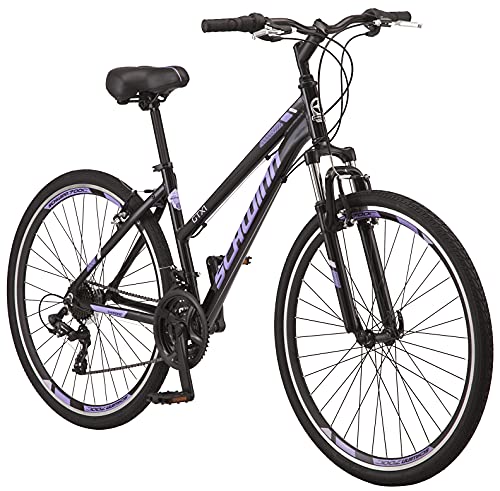 Schwinn GTX — ASIN B08239VFK6 | Check price on Amazon | |
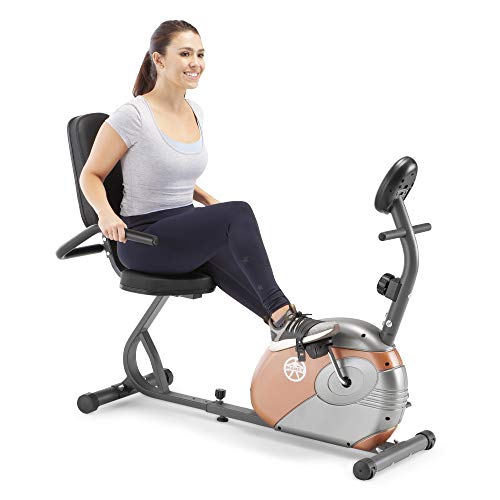 Marcy ME-709 Recumbent Exercise Bike — ASIN B002KV1MJU | Check price on Amazon | |
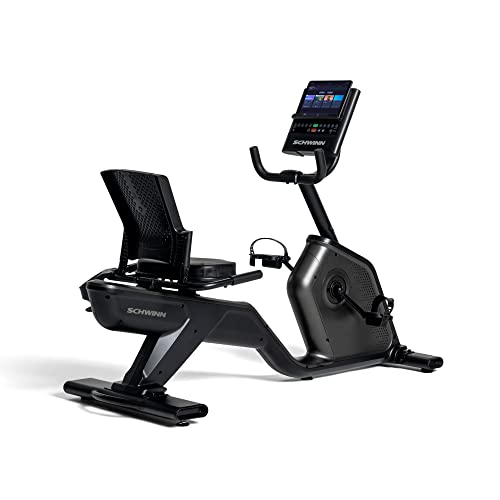 Schwinn 290 Recumbent Bike — ASIN B0BHTR1FJ4 | Check price on Amazon |
Key takeaways
- The best bike for neck problems is an upright one: geometry that keeps your head up without craning. Verified cruiser, hybrid and recumbent picks explained.
If riding leaves your neck aching, the cause is usually geometry, not fitness. On a bike with a low, stretched-out cockpit, your torso leans forward and your neck has to hold your head tipped back against that lean for the entire ride — the longer and lower the position, the harder the neck works. The fix is a bike whose handlebar sits high and close, so your torso is closer to vertical, your head balances over your shoulders, and your eyes reach the road ahead with your neck near neutral. This guide is about comfort geometry only: it explains the shapes that reduce neck strain and lists verified bikes that embody them. It is not medical advice, and persistent or worsening neck pain is a reason to see a clinician or a professional bike fitter, not to buy a different bicycle.
Disclosure: As an Amazon Associate, this site may earn from qualifying purchases made through links in this article, at no additional cost to you.
The geometry that matters
Three measurements decide how hard your neck works. Stack is the vertical height of the handlebar area above the bottom bracket; higher stack means a more upright torso. Reach is the horizontal distance forward; shorter reach means the bar comes back toward you instead of pulling you forward. Bar shape finishes the job: a swept-back cruiser bar brings the grips back and angles your wrists naturally, while a flat bar on a long stem keeps you leaned out. Two secondary factors add up over an hour: a step-through frame, which removes the high leg swing that twists the whole upper body, and a saddle position set so you are not sliding forward onto your hands — excess weight through the hands travels straight up the arms to the shoulders and neck.
The picks
sixthreezero EVRYjourney Women’s Step-Through — ASIN B011A4HBTC
The EVRYjourney women’s model is the textbook upright design: an aluminium step-through frame, a high swept-back handlebar, and a riding position the maker tunes for riders roughly 5 ft to 6 ft 2 in, on 26-inch wheels with a 7-speed Shimano drivetrain worked by a twist shifter. The step-through frame matters for this keyword beyond convenience — mounting without swinging a leg over a high top tube keeps the neck and shoulders out of the twisting motion entirely. One honest caution on this listing’s record: an older crawl of it showed the listing with no buying option available, while fresher records show it sold by Amazon directly. Confirm the live listing shows it available before ordering; if it does, it is the first pick for women riders. The record conflict is flagged here rather than hidden because it is exactly the kind of thing to check.
sixthreezero EVRYjourney Men’s — ASIN B08833BN3Q
The men’s EVRYjourney applies the same formula in a diamond frame: 19-inch aluminium frame, the same high swept-back bar position, 7 speeds, 26-inch wheels, and a published fit range up to about 6 ft 4 in and 300 lb. The riding position is near-vertical, which is the entire point for this keyword. Its verification record rests on a single older listing crawl, the oldest evidence in this guide, so it carries the same instruction as its sibling: confirm the current configuration and availability on the live listing before ordering, and treat the Schwinn below as the fallback if anything about the live page does not match.
Schwinn GTX — ASIN B08239VFK6
The GTX is the mainstream alternative: an aluminium hybrid with a suspension fork, 700c wheels and 21 speeds, sold in a men’s frame with a more athletic position than the EVRYjourney pair. Its bar sits lower than the cruisers’, so on paper it asks slightly more of the neck — but its records are the freshest in this article, and for riders whose discomfort is mild and who want one bike for fitness riding as well as cruising, it is the pragmatic choice. Riders can also raise its bar further with a stem raiser, a small accessory job covered by fit guides elsewhere. If neck comfort is the dominant concern rather than a secondary one, rank the EVRYjourney models above it.
Marcy ME-709 Recumbent Exercise Bike — ASIN B002KV1MJU
The indoor answer removes the problem completely. A recumbent exercise bike supports your back against a seat back, places the pedals ahead of you, and lets your head rest in a neutral position with nothing to hold up — there is no road to watch over a front wheel and no steering load through the arms. The ME-709 is the long-running budget example of the type: eight magnetic resistance levels, a step-through frame design that is easy to mount, a sliding seat that adjusts to leg length, and a published capacity of 300 lb. For riders rebuilding fitness while a neck issue settles, or for winter training, it is the zero-strain option. Note that a newer variant of this model circulates under a different listing; confirm the live page shows the ME-709 itself.
Schwinn 290 Recumbent Bike — ASIN B0BHTR1FJ4
The step-up recumbent: 25 magnetic resistance levels, a 7-inch display, connected JRNY training support, 13 built-in programmes and a 300 lb published capacity. Choose it over the Marcy if you want structured workouts and finer resistance steps for longer sessions; choose the Marcy if you want the simplest machine that solves the position problem. Both keep the neck in the same unloaded posture, which is what this keyword is actually about.
The supporting details: saddle, grips and pedals
Once the frame geometry is right, three contact points decide the rest. The saddle should be set level and at a height that keeps the knee softly bent at the bottom of the stroke; a saddle set too high makes the rider rock and reach, and the neck pays for both. Grips matter more than their modest cost suggests — wide, palm-supporting ergonomic grips spread hand pressure and stop the slow hand-tingling that makes riders shake out their arms and shrug their shoulders, and padded bar tape or gel gloves do the same job on the hybrid. Pedals are the quiet one: a large platform pedal lets the foot sit where it naturally wants to, and riders who are not chasing efficiency can ignore foot retention entirely on these upright bikes — comfort is the whole brief.
Tyre pressure is the final, free adjustment. The wide tyres on the cruiser and hybrid picks can run noticeably softer than their maximum sidewall figure, and a softer tyre is suspension you do not have to buy: it takes the sharp edge off broken pavement before the vibration reaches the bars, the arms and the neck. Stay within the printed range, err toward its middle, and check pressure weekly — soft tyres leak down quietly and the comfort disappears with the air.
Setting up whatever you buy
Geometry on paper only helps if the bike is set up to match. Set saddle height so the knee keeps a slight bend at the bottom of the stroke — a saddle that is too low pushes weight forward onto the hands. Slide the saddle so your knee sits over the pedal spindle with the cranks level; a saddle shoved fully forward shortens the cockpit but overloads the arms, which defeats the purpose. On the upright bikes, the swept bar should let your elbows hang with a soft bend and your wrists straight, not cocked upward. Start with shorter rides and build duration gradually; neck muscles adapt to a new position over a few weeks, and an ache that persists unchanged after a month of correct setup is information worth taking to a professional.
Riding habits that protect the neck
Hardware does half the work; habit does the rest. Look up the road rather than down at the front wheel — the gaze leads the head, and a head held high on an upright bike is the position the geometry was designed around. Change hand positions before discomfort starts, not after: even on a swept bar, moving between the grips and the bar’s forward curve every few minutes resets the shoulders. Stand on the pedals over the worst bumps and let the legs absorb what the arms would otherwise pass upward. And build duration gradually on a new position — a rider returning after a long layoff, or switching from a road bike to a cruiser, uses familiar muscles in unfamiliar proportions, and a week of short rides adapts the neck to its new job far better than one heroic long ride.
When the bike is not the whole answer
An upright bike removes the commonest mechanical cause of riding-related neck ache — sustained extension under load — but it cannot correct every source. Pain that appears off the bike, numbness or weakness in the hands and arms, or symptoms that persist despite a genuinely upright setup deserve a clinician’s assessment rather than another equipment change, and a professional bike fit is the right intermediate step for riders whose proportions fall outside the ranges these comfort bikes are built around. Treat the bikes in this guide as the correct first move, not the only one.
Assembly and the first fortnight
Comfort bikes in this class arrive partly assembled — typically the front wheel, bars, saddle and pedals to fit — and the assembly is the first fitting session whether you plan it or not. Set the bar height at the top of its range to begin with, level the saddle, and resist judging the bike on the first ride: cables settle, brakes bed in and your own posture adapts over the first fortnight. Make one adjustment at a time, in small steps, and ride a familiar route after each change so the comparison is honest. If, after a fortnight of small adjustments, the ache pattern has not changed at all, that is the signal to stop adjusting and take the bike to a fitter, whose eye for reach and saddle position is trained on exactly this puzzle.
Verdict
For outdoor riding, the sixthreezero EVRYjourney pair (B011A4HBTC women’s, B08833BN3Q men’s) embody the upright geometry this keyword calls for — verify their live listings, as their records carry the cautions noted above. The Schwinn GTX (B08239VFK6) is the fresher-recorded hybrid alternative. Indoors, where the neck can be unloaded entirely, the Marcy ME-709 (B002KV1MJU) is the simple answer and the Schwinn 290 (B0BHTR1FJ4) the fuller-featured one.