Our Short List of 3

All 3 Picks at a Glance
| Product | Specs | Action |
|---|---|---|
 1. Strider 20x — best way to learn balance at any older age | Check price on Amazon | |
| 2. AVASTA Populus Step-Through — best first pedal bike after balance | Check price on Amazon | |
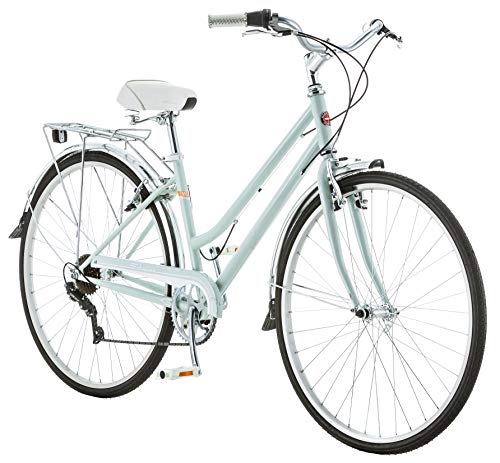 3. Schwinn Wayfarer Step-Through — best upright adult learner bike | Check price on Amazon |
Key takeaways
- The best bike to learn on for older kids, teens and adults: a convertible balance bike and easy step-through pedal bikes that build balance first.
As an Amazon Associate we earn from qualifying purchases.
Affiliate Disclosure: This article contains affiliate links. If you buy through a link on this page, we may earn a commission at no extra cost to you. Product details and availability are taken from the manufacturer’s and retailer’s listings, so check the current listing before you order.
Scope of this guide — read this first
This guide covers bikes for people learning to ride at an older age: older children, teenagers and adults who are getting on a two-wheeler for the first time, or returning after so long that balance has to be relearned. That scope is deliberate. It is not a guide to toddler balance bikes with small wheels, and it is not a guide to children’s first pedal bikes with training wheels. The learning problem at this age is different. The rider is heavier, taller and usually more nervous, the bike must be sized like an adult machine, and the fastest route to confidence is still the same one that works for small children: learn balance first, then add pedaling.
Every pick below follows that method. One is a full-size balance bike built specifically for riders aged eight and up that converts to a pedal bike once balance is mastered. The others are low, easy step-through pedal bikes with simple gearing, chosen because a learner can put both feet down quickly, start and stop without drama, and concentrate on steering and balance instead of machinery.
Quick comparison
| Bike | Type | Wheels | Gearing | Best for |
|---|---|---|---|---|
| Strider 20x | Balance bike, converts to pedal bike | 20 inch | None until pedal kit is fitted | True beginners aged 8+ who need balance first |
| AVASTA Populus Step-Through | Step-through city bike | 700c | 7 speeds | Learners who can balance and want an easy first pedal bike |
| Schwinn Wayfarer Step-Through | Retro hybrid | 700c | 7 speeds | Adult learners who want an upright, forgiving ride |
1. Strider 20x — best way to learn balance at any older age
The Strider 20x exists for exactly the rider this guide is about. Strider describes it as a learn-to-ride balance bike for ages eight and up, including teenagers and adults, with 20-inch wheels, dual drum hand brakes and a kickstand. There are no pedals and no chain. The rider sits on the saddle, walks the bike forward, and gradually lifts their feet for longer and longer glides. Because there is nothing to pedal, all of their attention goes to the one skill that actually keeps a bike upright: balance.
The details are sized for bigger learners rather than scaled-up toy parts. The listing and Strider’s own sizing guidance put the adjustable seat height at roughly 21.5 to 33.1 inches, fitting inseams of about 22 to 34 inches and riders from about 49 to 72 inches tall, with a stated maximum rider weight well into adult range. The low stand-over height and low center of gravity make those first wobbly glides far less intimidating, and the hand brakes teach real braking from the start instead of relying on feet alone.
The clever part comes after balance clicks. Strider sells an optional pedal kit for the 20x that bolts on and converts the same bike into a pedal bike, so the learner keeps the frame, fit and confidence they have already built instead of starting again on an unfamiliar machine. If you buy one bike from this guide for a genuine first-time rider, this is the one, and the conversion path is the reason.
2. AVASTA Populus Step-Through — best first pedal bike after balance
Once a learner can glide, steer and stop, the next step is a pedal bike that does not punish small mistakes. The AVASTA Populus fits that role with a low step-through frame, 700c wheels and a simple seven-speed drivetrain. AVASTA lists a 6061 aluminum frame, linear-pull brakes, 700 x 35c tires and a stated rider weight limit in the adult range, and the size in this listing is the small frame with 700c wheels.
The step-through design is the key learning feature. Mounting and dismounting do not require swinging a leg over a high top tube, and when a stop goes wrong the rider can step off and put a foot down instead of toppling with the bike. The 700 x 35c tires are wider than pure road tires, which adds a little stability and comfort on imperfect pavement, and a single seven-speed range is enough for flat neighborhoods and gentle grades without overwhelming a new rider with shifting choices.
Choose the Populus if the learner already has basic balance, for example from a balance bike or from childhood riding long ago, and now needs a calm, upright pedal bike for practice laps and short neighborhood rides.
3. Schwinn Wayfarer Step-Through — best upright adult learner bike
The Schwinn Wayfarer takes the same low-stress approach in a retro hybrid package. Schwinn lists the step-through version with a 16-inch steel frame, 700c wheels, a seven-speed drivetrain with a twist shifter, front and rear linear-pull brakes, fenders and a rear cargo rack. The riding position is upright, the saddle is a comfort design, and the whole bike is tuned for unhurried riding on paved paths and quiet streets, which is precisely where learning sessions happen.
Steel makes the frame heavier than the aluminum Populus, and for a learner that trade is acceptable: the bike feels planted at low speed, and low speed is where new riders spend their first weeks. The twist shifter is easy to understand, with one control and a small range of gears, and the fenders and rack turn the bike into useful everyday transport once the learning phase is over, so it does not become a single-purpose purchase.
Pick the Wayfarer if the learner is an adult who wants a comfortable, familiar-looking bike for practicing and then for errands and leisure rides, and if the smaller step-through frame matches their height on Schwinn’s size guidance in the listing. Note that Wayfarer listings cover several frame styles and model years, so confirm you are looking at the step-through version before ordering.
How learning to ride works as an older beginner
Balance before pedals. The reason the Strider method works is that pedaling is easy and balance is hard. A rider who can glide for ten seconds with their feet up can usually pedal within a single short session, while a rider who starts on pedals with stabilizers often leans on the extra wheels and never practices balancing at all.
Lower the saddle at first. Set the seat so both feet reach the ground with a slight bend in the knee. That is lower than an efficient riding position, and that is fine. Confidence comes from knowing a foot can go down instantly. Raise the saddle gradually as glides get longer.
Practice in the right place. Choose a flat, empty, paved space with no traffic, ideally with a very gentle slope for easy glides. Short, frequent sessions beat one long exhausting one, and gloves plus a properly fitted helmet are sensible from the first session.
Add one skill at a time. Glide first, then brake gently while gliding, then steer wide turns, then pedal, then practice starting, stopping and looking over a shoulder. Each step builds on a skill that already feels automatic, which is what keeps the process calm.
Skip training wheels on adult-size bikes. Stabilizer kits exist for full-size bikes, but they hold the bike upright by leaning it onto an extra wheel, which teaches the opposite of the steering-into-the-lean movement that real balancing requires. A pedal-free phase, or pedals removed from a suitable bike, teaches the genuine skill faster.
A simple practice plan for the first sessions
Session one: walking and sitting. With the saddle low, walk beside the bike, then sit and walk it forward with your feet, getting used to the weight, the steering and squeezing the brake levers gently to a stop. Ten relaxed minutes of this removes most of the fear before any balancing is attempted.
Session two: short glides. Push off a little harder and lift your feet for a second or two at a time. Look ahead at where you want to go rather than down at the front wheel, because the bike follows your eyes. Count the glides rather than the falls; most learners find the lifts getting longer within this single session.
Session three: long glides and turns. Aim for glides of several seconds, then introduce wide, gentle turns while gliding. Practice braking to a controlled stop at the end of each glide and putting a foot down cleanly. When a rider can glide, turn and stop without thinking hard about any of them, balance is learned.
Session four: pedals. Fit the pedal kit on the Strider, or move to one of the step-through pedal bikes, starting again on flat ground with the saddle still a little low. Expect the first pedal strokes to feel surprisingly easy. The hard skill was balance, and it is already done. Raise the saddle toward a normal riding height over the following sessions, and begin practicing starts, stops and slow-speed control in the same empty space before riding anywhere with traffic.
Frequently asked questions
Am I too old to learn to ride a bike? No. The Strider 20x in this guide is built for riders from age eight through adulthood, and adult learn-to-ride instructors use the same balance-first method. Fitness and confidence build quickly once balance is learned, because pedaling itself is a simple motion.
How long does learning take? It varies, but the balance phase is usually measured in a handful of short sessions rather than weeks. Riders who practice gliding a few times a week generally progress to pedaling faster than riders who try once and wait a month between attempts.
Should a bigger child start on a balance bike or go straight to pedals? If the child has never balanced on two wheels, a large balance bike such as the 20x is the faster route, and its pedal kit means the same bike continues into the pedaling stage. Going straight to pedals works best for riders who already glide confidently, for example after a scooter or a smaller balance bike.
What size should I buy? For balance learning, the rider must be able to sit on the saddle with both feet flat enough to push and stop, so inseam against the listed seat-height range is the measurement that matters. For the pedal bikes, follow each maker’s height and frame guidance in the listing and favor the size that allows an easy step-through and a safe stand-over.
The bottom line
Learning to ride as an older child, teenager or adult is mainly a balance problem, and the bikes here are chosen around that fact. Start with the Strider 20x if balance itself is the missing skill, and use its pedal kit to convert the same bike once gliding feels easy. Move to the AVASTA Populus for a light, low step-through first pedal bike, or the Schwinn Wayfarer for an upright retro hybrid that stays useful long after the learning phase. Check the size range and current availability on the Amazon US listing before ordering, because frame sizes and colors sell through at different rates.